 Call Us
 18002099100



0 0 There is a particular kind of silence that falls over you the first time the sky turns green above your head. It is not something a screen can prepare you for. That unforgettable moment is what makes Northern […]
- 13 min read
Table of contents
The Simhastha Kumbh Mela should be on your travel itinerary if you want to see one of India’s most potent spiritual events. This remarkable festival, which takes place every twelve years in Ujjain along the holy Shipra River, combines faith, history, and tradition in a way that few other occasions can. The story starts with the cosmic ocean’s fabled churning, when it was thought that drops of the nectar of immortality fell here. Millions of people congregate for holy baths, prayers, charitable giving, and spiritual conversations during Ujjain Simhastha because they believe the holy rites help purify the soul and move closer to moksha.
What is Simhastha Kumbh Mela?
One of the biggest and most revered Hindu pilgrimages in India is the Simhastha Kumbh Mela. This magnificent event is held on the banks of the sacred Shipra River in Ujjain, Madhya Pradesh, once every twelve years. Millions of pilgrims, saints, and devotees travel from all over the nation during this time to offer prayers, take a sacred plunge, and seek spiritual rejuvenation. You will see that Ujjain Simhastha is much more than just a religious celebration if you go there. It is an amazing fusion of cultural history, vibrant processions, traditional customs, and devotion. The ambience is unforgettable, whether you are there for religious reasons, out of curiosity, or to see one of the biggest human gatherings in history.
Meaning of Simhastha
The Sanskrit terms Simha, which means “lion” or the sign of Leo, and Stha, which means “to be situated or established,” are the roots of the word Simhastha. When taken as a whole, the name describes the time when Jupiter is in Leo. The timing of this holy assembly is determined by this celestial event, which is highly significant in Hindu astrology. The festival’s specific identity is derived from this particular alignment.
Why is it called Simhastha?
As it is only seen when a rare planetary alignment occurs, the celebration is known as Simhastha. Hindu astrology states that before the event starts, Jupiter must enter Leo while the Sun enters Aries. Every celebration is genuinely unique because this combination happens around once every twelve years. This “Simha” alignment distinguishes Ujjain’s celebration from the other Kumbh Melas held throughout India, giving it the name pilgrims have known and revered for generations.
History and Origin of Simhastha
The Simhastha Kumbh Mela’s narrative combines mythology, religion, astronomy, and centuries-old customs. You are not merely attending a religious event when you sit on the banks of the Shipra River throughout the celebration. Every twelve years, millions of pilgrims travel to Ujjain as part of a legend that has been passed down through the ancestors and connects the earth and the heavens.
Samudra Manthan Story
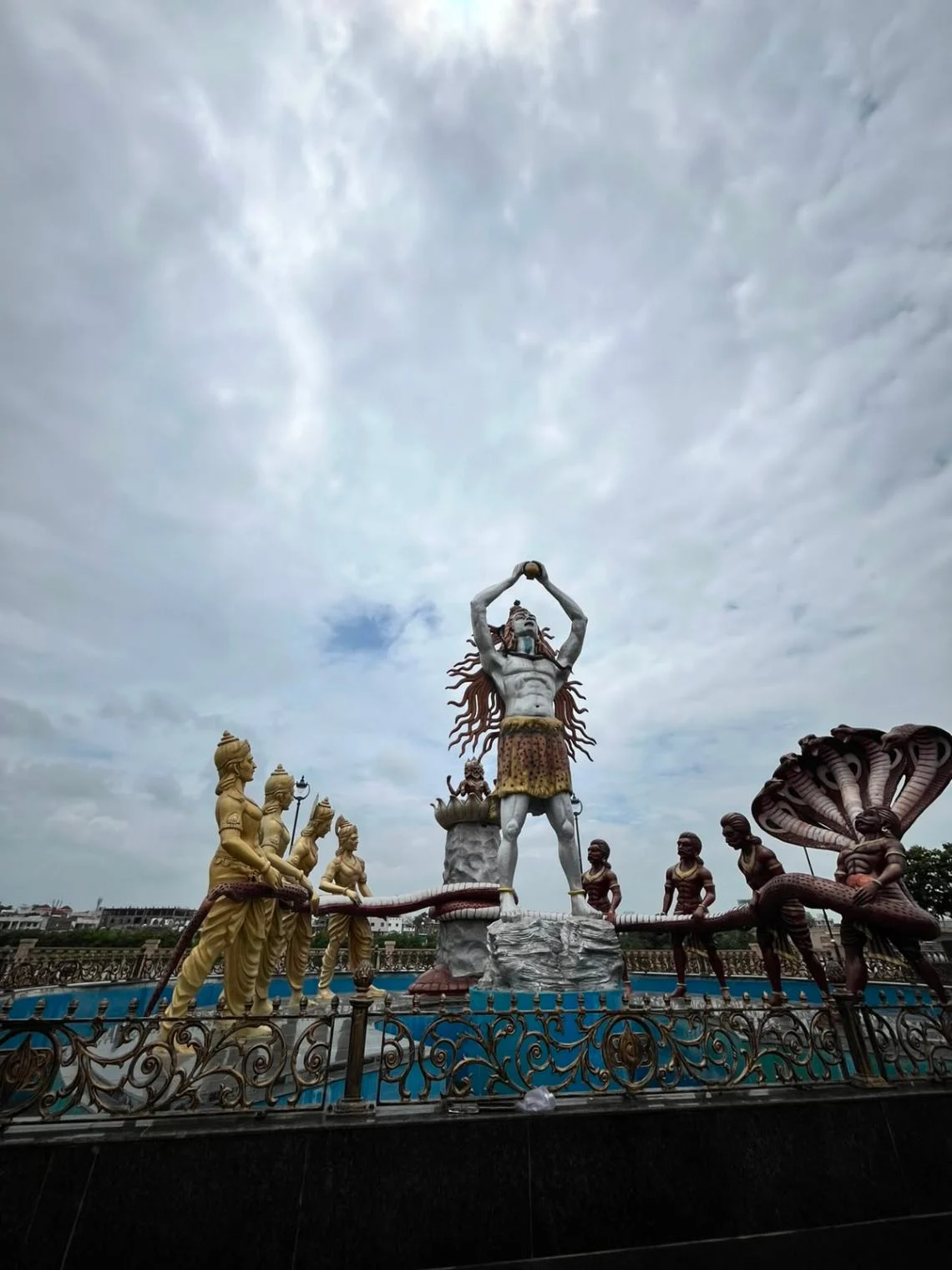
The ancient story of Samudra Manthan, or the churning of the cosmic ocean, is where the celebration got its start. Hindu mythology states that in order to get Amrit, the sacred elixir of immortality, the Devas (gods) and Asuras (demons) banded together to churn the ocean. They proceeded until Lord Dhanvantari appeared with the sacred pot, called the Kumbh, using Mount Mandara as the churning rod and the serpent Vasuki as the rope. Both sides engaged in a bloody battle to seize the nectar. Four holy locations of divine importance were thought to have been blessed by a few droplets of Amrit that fell to the earth during the celestial chase.
Origin of the Kumbh Tradition
These four sacred locations are Ujjain, Prayagraj, Haridwar, and Nashik. Twelve divine days, or twelve human years, are thought to have passed during the fight for the nectar. The Kumbh celebration, which alternates between these four locations based on particular celestial alignments, is based on this idea. Bathing in the holy rivers during these auspicious times is thought to help devotees reach moksha, purify their souls, and atone for past transgressions. The precise timing of every celebration is still determined by the positions of the Sun, Moon, and Jupiter.
Evolution of Simhastha in Ujjain
Over the years, the Ujjain Simhastha has expanded to become one of the biggest peaceful religious communities in the world. The holy Mahakaleshwar Temple is located in Ujjain, which was formerly known as the ancient city of Avantika and has long been considered one of India’s holiest cities. Because the festival occurs when Jupiter reaches the sign of Leo, or Simha, and the Sun is in Aries, it is named Simhastha. The festival’s organised shape emerged during the Maratha period and was reinforced by the involvement of Hindu monastic institutions, despite its spiritual origins dating back to ancient times. Today, the festival combines vibrant cultural traditions with eternal beliefs, making it an amazing experience for anybody looking to see India’s spiritual legacy up close.
Why is Ujjain Simhastha So Important?
The answer to the question of why millions of people travel throughout India to attend the Simhastha Kumbh Mela is found in Ujjain. In addition to having a rich history, this historic city has a strong Hindu spiritual foundation. When the uncommon planetary alignment occurs every twelve years, Ujjain becomes a living pilgrimage where devotion, tradition, and faith join together. You soon realize that this is much more than just a celebration as you stroll through the busy streets, hear the temple bells, and see devotees congregate along the ghats. For millennia, pilgrims have been motivated by this spiritual quest.
Ujjain’s Spiritual Importance
One of the seven sacred cities, or Saptapuri, that are thought to provide the route to moksha is Ujjain, formerly known as Avantika. Saints, academics, and devotees have viewed the city as a location where spiritual development seems particularly significant for generations. It has also had a significant impact on Indian astronomy and astrology, making it a hub where faith and the study of the universe have long coexisted. For millions of people, Ujjain Simhastha remains to have such profound significance because of this rich legacy.
Mahakaleshwar Jyotirlinga
The sacred Mahakaleshwar Jyotirlinga, one of the twelve Jyotirlingas devoted to Lord Shiva, is located in the centre of the city. Here, Shiva is revered as Mahakal, the Lord of Time, a representation of the force that transcends both life and death. Numerous pilgrims will be praying before taking their holy bath if you visit during the event. The temple is one of the most notable Shiva shrines in India because of its distinctive south-facing statue and well-known Bhasma Aarti.
Sacred Shipra River
The festival’s core is the holy Shipra River. According to Hindu belief, its waters are particularly sacred because drips of the divine nectar of immortality fell here during the celestial battle for Amrit. Devotees congregate at ghats like Ram Ghat at the Simhastha Kumbh Mela to partake in a ritual bath, which they believe clears past karma and advances them toward spiritual emancipation. Seeing this collective gesture of trust will probably rank among your journey’s most unforgettable moments.
Astrological Significance of Simhastha Kumbh Mela
Unlike other festivals, the dates of Simhastha Kumbh Mela are not decided by a calendar alone. But they are ruled by rare planetary movements, which have a deep meaning in Vedic astrology. If you happen to be in Ujjain at this auspicious juncture, you are witnessing a moment that devotees believe is imbued with extraordinary spiritual power. The celebration only happens when certain celestial bodies align in a specific way, which means each celebration is a once-in-twelve-year affair. This gathering is significant over time because of this special combination of astronomy, astrology and faith.
Jupiter in Leo (Simha)
The name Simhastha comes from the Sanskrit word Simha, meaning Leo. The festival does not commence until Jupiter (Brihaspati or Guru) enters the sign of the zodiac, Leo. This is a very rare alignment, as it takes Jupiter almost 12 years to complete one circuit of the zodiac. In Vedic astrology, Jupiter is the planet of learning, wisdom and spiritual growth, while Leo is the sign of strength, leadership and divine authority. Many devotees believe that when these two come together, it is an especially auspicious time for prayer, self-reflection, and spiritual growth. This rare planetary rotation is also what distinguishes Ujjain Simhastha from the other Kumbh Melas observed across India.
Celestial Alignment and Kumbh
The festival is not determined by the position of Jupiter alone. Also, the Sun has to enter Aries to form a very auspicious combination in the sky, which is the beginning of the Simhastha period. The most sacred bathing dates are also calculated based on the Moon by traditional Hindu astrology. Ancient beliefs add to the spiritual significance of the Shipra River, as this rare alignment makes a holy dip all the more meaningful at this time. Many pilgrims believe that taking a bath in the river during these carefully timed moments helps to wash away accumulated karma and brings them closer to inner calm and moksha. If you’re a fan of astrology or just enjoy learning about ancient traditions, these amazing celestial calculations add yet another fascinating layer to your experience of visiting Ujjain during the festival.
Major Rituals During Simhastha Kumbh Mela
There are numerous centuries-old rituals at the Simhastha Kumbh Mela, all of which have profound spiritual significance. Every ceremony, procession, and prayer is carried out with passion and meticulous tradition if you visit during the festival.
Shahi Snan
The festival’s most significant ceremony is the Shahi Snan, or Royal Bath. Saints and Naga Sadhus are the initial ones to enter the holy waters of the Shipra River on carefully selected dates determined by astrological calculations. Other pilgrims only follow after their bath. Taking a dip during these auspicious times, according to many devotees, signifies the start of a new spiritual journey and helps purge old karma.
Peshwai Procession
The event officially begins with the Peshwai Procession, which heralds the arrival of the Akharas. Beautifully adorned chariots, horses, traditional musical equipment, vibrant banners, and groups of chanting devotees may all be seen as the procession moves by. The saints who conduct the holy ceremonies are given an extraordinary welcome as the streets come alive with festivity. During Ujjain Simhastha, it is among the most breathtaking vistas.
Akharas and Saints
Hindu spiritual traditions have been perpetuated for many generations by the ancient monastic groups known as the Akharas. These organisations set up sizable camps during the celebration so that followers can meet revered saints, ask for blessings, and discover various spiritual pathways. The Naga Sadhus are the most well-known of them because of their ash-covered appearance, strict way of living, and total rejection of worldly attachments. Every Akhara contributes to the festival’s common spirit while adhering to its particular customs.
Spiritual Gatherings
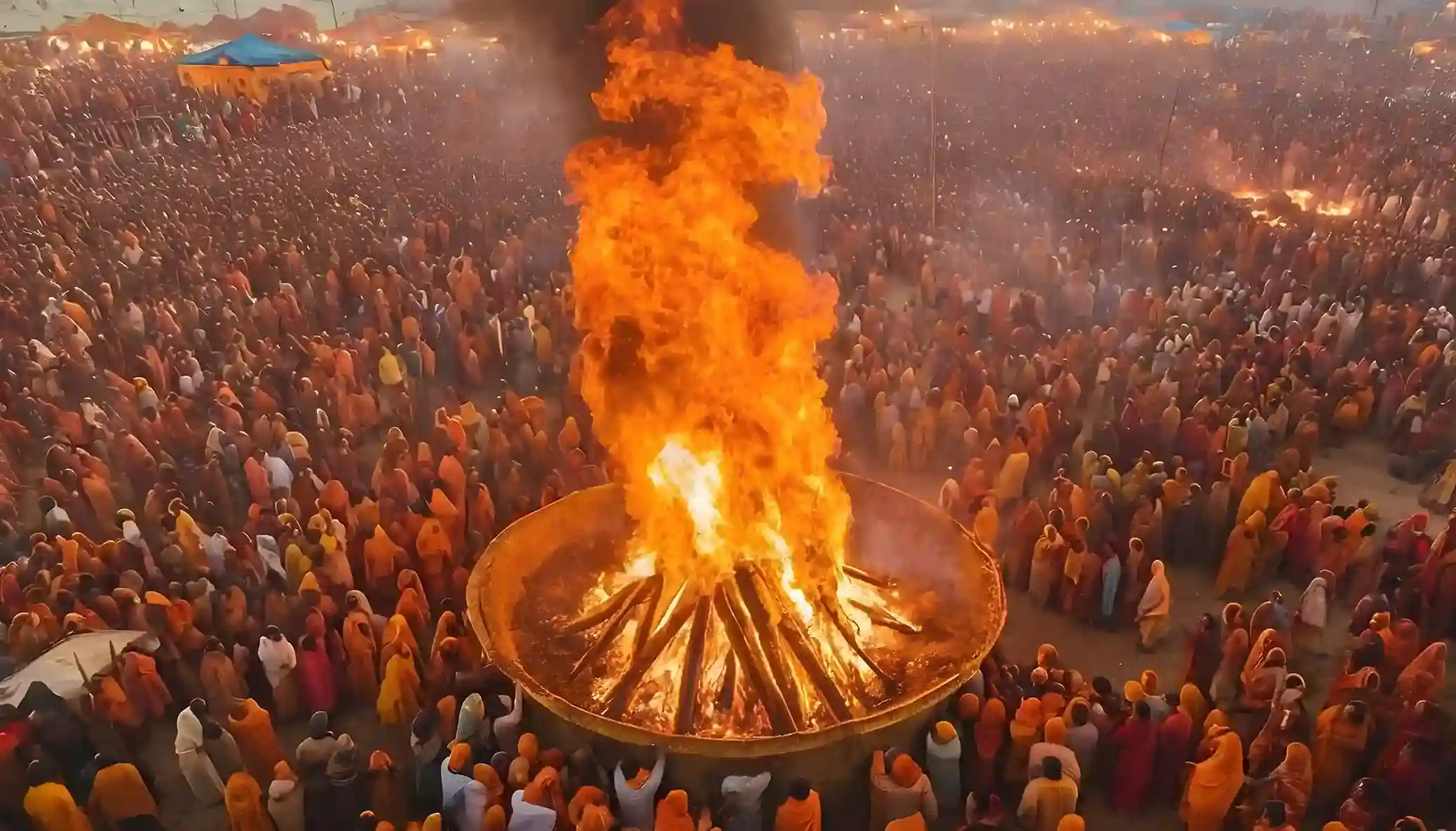
Beyond the processions and holy baths, the celebration turns into a space for introspection and education. During the Simhastha Kumbh Mela, you can take part in communal feasts known as Bhandaras, attend satsangs, hear motivational talks from reputable gurus, attend meditation sessions, and observe sacred fire rituals. Through faith, devotion, and common spiritual experiences, these events foster a friendly environment where people from many places, backgrounds, and cultures come together.
Important Places to Visit During Ujjain Simhastha
Make time to see the city’s most revered spiritual sites while you’re at the Simhastha Kumbh Mela; each will add a special chapter to your journey through Ujjain.
Mahakaleshwar Temple
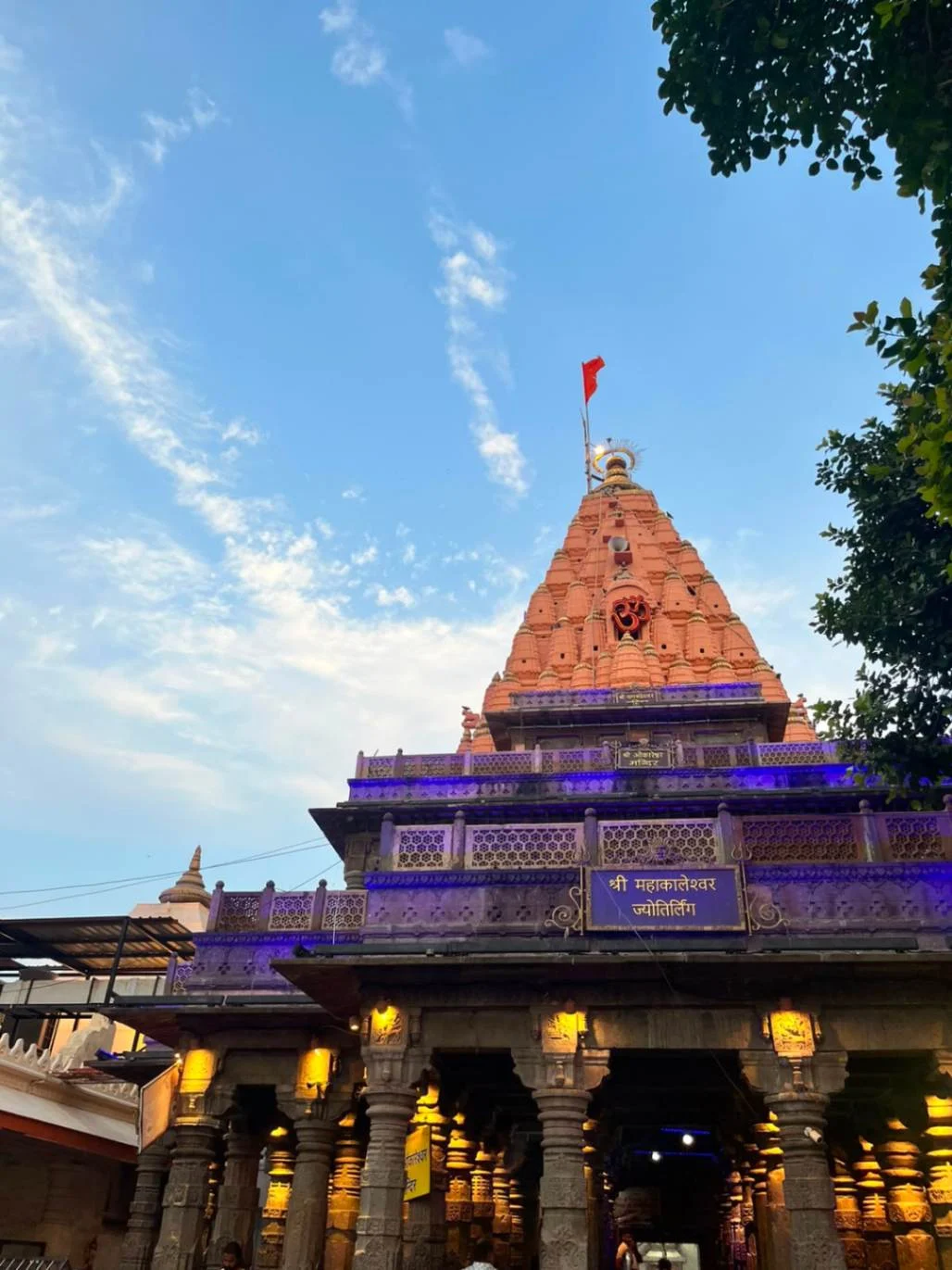
No visit to Ujjain is complete without praying at the Mahakaleshwar Temple. This temple, one of Lord Shiva’s twelve sacred Jyotirlingas, is well-known for its unique south-facing statue and the deeply affecting Bhasma Aarti performed before sunrise. If you can attend this rite, you will be seeing one of India’s most treasured spiritual traditions, which will make your visit even more memorable.
Mahakal Lok Corridor
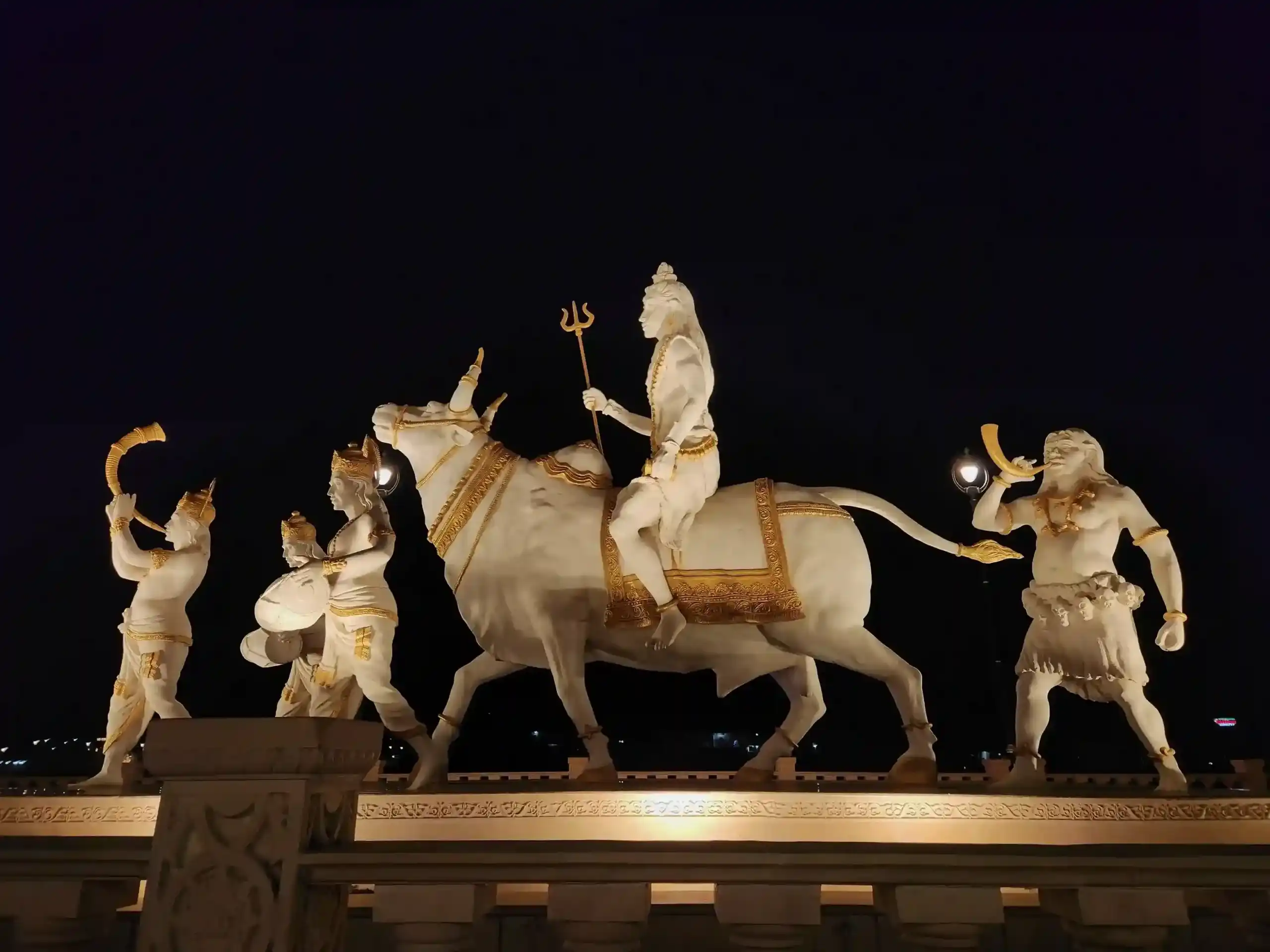
The Mahakal Lok Corridor, located adjacent to the temple, is a stunning combination of art, devotion, and architecture. As you walk down the great road overlooking Rudra Sagar Lake, you will notice exquisite sculptures, carved pillars, and elaborate paintings that bring stories from the Shiva Purana to life. It’s a tranquil spot where you may take a break, admire the craftsmanship, and remember the city’s rich history.
Ram Ghat
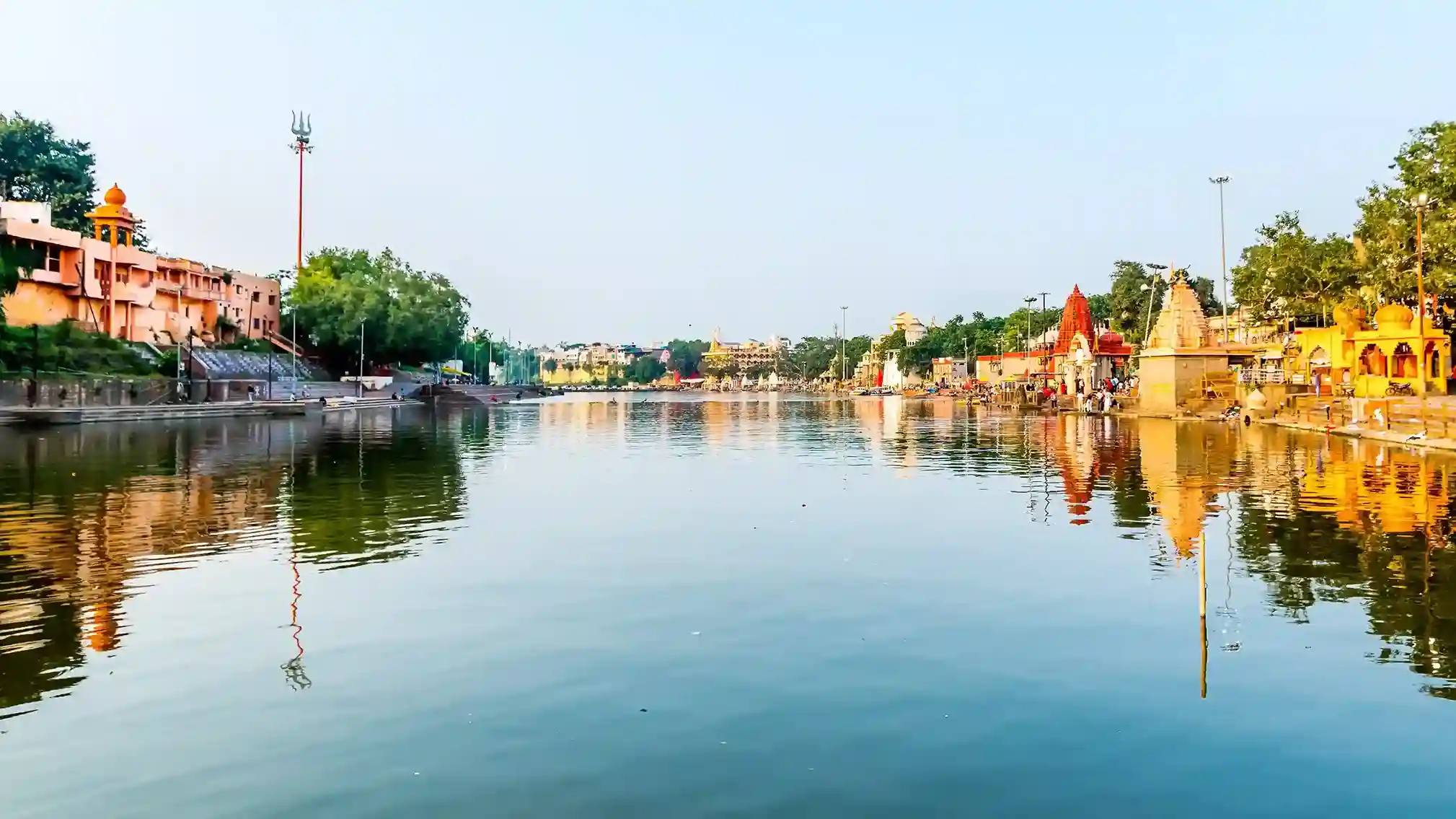
Ram Ghat is the spiritual core of Ujjain Simhastha and one of the most popular locations during the festival. This old ghat on the banks of the Shipra River is where pilgrims congregate for the sacred wash, prayers, and religious rituals. If you stay until the evening, the magnificently illuminated Shipra Aarti offers a relaxing and wonderful ambience.
Harsiddhi Temple
This ancient temple, dedicated to the Goddess Harsiddhi, is considered one of India’s most respected Shakti Peethas. Its towering lamp pillars, known as Deep Stambhas, are particularly impressive during festivals, when hundreds of lamps are illuminated simultaneously. The peaceful surroundings make it an ideal place to spend a quiet time of prayer.
Kal Bhairav Temple
The Kal Bhairav Temple, devoted to Lord Shiva’s fearsome protector aspect, has been a significant destination of worship for millennia. What distinguishes this shrine is its unique history of offering booze as part of the rite, which continues to draw curious visitors and devout pilgrims alike. Exploring this temple provides an intriguing peek into the various spiritual traditions that render the Simhastha Kumbh Mela such an unforgettable event.
Safety and Crowd Management at Simhastha
With millions of pilgrims coming every day, the Simhastha Kumbh Mela is equipped with strong security measures to ensure that everyone has a safe and well-organised experience.
Security and Disaster Response (NDRF, Police)
Throughout the festival, a huge team of police officers, the National Disaster Response Force (NDRF), medical workers, and trained volunteers collaborated. CCTV cameras, drones, and integrated control centres track crowd movements in real time, while specialised emergency response teams remain stationed at bathing ghats and key procession routes. Dedicated emergency pathways are kept open so that ambulances and rescue crews can reach any place quickly. Lost-and-found offices also aid in reuniting families and assist guests who require assistance.
Weather Risks and Precautions
The festival is generally held in warm weather, so heat and dehydration might be a problem if you spend lengthy hours outside. Drink water on a regular basis, even if you are not thirsty, and use official drinking water stations whenever available. Wear light cotton clothes, breathable shoes, a cap or headgear, and seek shade during the hottest portion of the afternoon. If it rains, walk carefully since the ghat steps may turn slippery.
Tips to Stay Safe in Large Crowds
- Stay with the crowd’s natural flow and avoid pushing.
- When entering a busy area, look for nearby exits and open spaces.
- Keep your hands close to your chest in crowded places to safeguard your breathing space.
- Choose a meeting point for your family or group in case you become isolated.
- Avoid tight bottlenecks, barricades, and packed entryways.
- Follow police, volunteer, and public announcements at all times.
- Keep your smartphone charged and only bring essential items.
Simhastha Kumbh Mela Dates and Frequency
The following is a table filled with all the information you may need to know about for your upcoming trip:
| Event / Detail | Information |
| Festival | Simhastha Kumbh Mela |
| Frequency | Once every 12 years |
| Location | Ujjain, Madhya Pradesh, on the banks of the Shipra River |
| Astrological Basis | Jupiter enters Leo (Simha Rashi) and the Sun enters Aries (Mesha Rashi) |
| Previous Edition | 22 April 2016 to 21 May 2016 |
| Next Edition | 27 March 2028 to 27 May 2028 |
| Duration | 62 days |
| Expected Following Edition | Around 2040 |
| Major Shahi Snan Dates | 9 April 2028, 23 April 2028 and 8 May 2028 |
- How Often is Simhastha Held?
One of the most eagerly awaited spiritual events in India is the Simhastha Kumbh Mela, which occurs once every twelve years. Its dates are decided by ancient Vedic astrological computations, in contrast to festivals that adhere to a set annual calendar. The festivities don’t start until Jupiter reaches Leo, or Simha Rashi, and the Sun enters Aries. The festival’s name and spiritual meaning come from this uncommon celestial pairing, which guarantees that each edition is genuinely unique.
- Next Ujjain Simhastha
The next Ujjain Simhastha event is set to take place from March 27 to May 27, 2028. Millions of pilgrims, saints, and tourists from all over the world converge on Ujjain during these 62 days. The Shahi Snan dates, when the religious washing ceremonies draw the biggest crowds, are the most important attractions.
Travel Guide for Simhastha Pilgrims
You can enjoy the Simhastha Kumbh Mela more comfortably and concentrate on the spiritual experience rather than the throng if you plan ahead a little.
How to Reach Ujjain?
Ujjain’s strong transportation connections make it easy to get there. If you’re flying, the closest airport is Devi Ahilyabai Holkar Airport in Indore, which is around 55 kilometres away. From there, buses and taxis frequently run. Ujjain Junction has excellent connections to major cities like Delhi, Mumbai, Kolkata, Bhopal, and Jaipur if you choose to travel by train. Road travel is convenient; Ujjain is connected to Indore, Dewas, Bhopal, and neighbouring cities via private buses and regular state transportation.
Accommodation Options
Accommodations fill up rapidly during Ujjain Simhastha, so making reservations well in advance is advised. Comfortable dharamshalas, homestays, temporary tent cities created especially for pilgrims, and hotels ranging from affordable to upscale are all available. If you would rather have a more sedate stay, you might want to reserve lodging a little distance from the main festival area and use local transportation to get to the temples and ghats.
Travel Tips
Try to arrive at least one or two days prior to the main Shahi Snan dates to ensure a more seamless pilgrimage, as highways and train terminals get quite crowded. Bring light cotton clothing and comfortable walking shoes, keep both digital and physical copies of crucial documents, and carry a valid photo ID. Keep a power bank, some basic medications, and a small backpack with your necessities. Drink lots of water throughout the day and use only authorised drinking water stations whenever you can.
Interesting Facts About Simhastha Kumbh Mela
These intriguing details will add even more significance to your trip to the Simhastha Kumbh Mela if you enjoy learning about a place’s backstory.
- Since the festival only takes place once every twelve years, each edition is a genuinely unique spiritual occasion.
- One of the four revered Kumbh Melas observed in India, Ujjain Simhastha, is associated with the myth of the holy nectar of immortality.
- Since the celebration starts when Jupiter enters Leo, the name Simhastha is derived from the zodiac sign Leo (Simha).
- During the fabled Samudra Manthan, drips of Amrit are said to have graced the sacred Shipra River.
- One of the seven holy towns in Hinduism that are connected to spiritual freedom is Ujjain.
- Through faith and custom, millions of pilgrims come together to form one of the biggest peaceful human gatherings on earth.
- The Kumbh Mela’s cultural and spiritual significance has been highlighted by UNESCO’s recognition of it as an Intangible Cultural Heritage.
Conclusion
There is much more to the Simhastha Kumbh Mela than just a celebration. It is a voyage that unites faith, culture, history, and enduring customs in one remarkable location. The serene banks of the Shipra River, colourful processions, and historic temples are just a few of the moments you will remember if you choose to travel to Ujjain during this holy event. Make sure your trip is well-planned, keep an open mind, and give yourself enough time to appreciate the city’s spiritual allure. Even if you are a traveller, you will depart with lifelong memories and tales.
FAQS
What is Simhastha Kumbh Mela?
Held at Ujjain on the banks of the sacred Shipra River, the Simhastha Kumbh Mela is one of India’s four sacred Kumbh Melas. Millions of pilgrims, saints, and tourists seeking spiritual favours congregate there.
Why is Ujjain Kumbh Mela called Simhastha?
The festival is only observed when Jupiter reaches the sign of Leo (Simha), accompanied by a certain solar alignment, which is why it is called Simhastha.
What is the meaning of Simhastha?
The name refers to Jupiter’s location in the Leo sign of the zodiac by combining the words Simha (Leo) and Stha (positioned).
When is Simhastha Kumbh Mela celebrated?
When the necessary astrological conditions are met, the celebration often occurs in March, April, and May. The upcoming iteration is set for 2028.
How often is Ujjain Simhastha held?
Every twelve years, Ujjain Simhastha is observed in accordance with Jupiter’s zodiac voyage.
Which river is associated with the Simhastha Kumbh Mela?
The event revolves around the holy Shipra River, where devotees congregate for ceremonial washing.
What is the significance of Shahi Snan in Simhastha?
Before devotees join the river, Akharas and Naga Sadhus lead the Shahi Snan, the most revered bathing ritual.
Which temple is most famous during the Ujjain Simhastha?
During the festival, the Mahakaleshwar Jyotirlinga is the most popular temple and a significant spiritual destination.
What is the astrological significance of Simhastha?
According to Vedic astrology, the festival only starts when Jupiter reaches Leo and the Sun enters Aries.
What are the major rituals performed during Simhastha Kumbh Mela?
The main rituals include Shahi Snan, temple darshan, Peshwai processions, satsangs, prayers, charity, meditation, community meals, and spiritual discourses led by respected saints.
Recommended Articles for you

Cherry Blossom Festival in Japan – The Ultimate Spring Escape
0 0 If there is one country that can consistently surprise you, enchant you and make you feel blessed about life, it has to be Japan. From retaining deep-rooted cultural beliefs to staying ahead in technology and being a pioneer […]

Sakura Cherry Blossom – Witness Japan’s Pink Spring
0 0 Every year, Japan’s gardens, trees and parks turn from a glorious green of jade to the soft pink of a blushing bride. That’s right, the cherry blossoms are ready to bloom, bringing with it the promise of a […]

Places to Visit in India in December
0 0 December marks the beginning of the peak travel season in India. From the North of the country to the South, every region has pleasant weather and clear skies, perfect for sightseeing. After the hot summer and muggy monsoon, […]
12 Best Places To Visit In November In India In 2026
0 0 November is a month of vibrant transitions in India, offering an array of travel experiences from the cool Himalayan foothills to the warm beaches of the south. If you’re planning your travel itinerary for November 2026, India presents […]

What is the average cost of living in Singapore in 2026?
0 0 The Cost of Living in Singapore At A Glance Average monthly budget: A single person may need S$1505 every month excluding accommodation. The rest of the budget depends on lifestyle and location. Biggest expense: Accommodation is the largest […]
Top Universities in Germany for International Students
0 0 Germany universities for international students have been one of the most preferred destinations for many years. Public universities charge little to no tuition fees, offering excellent opportunities for globally valued research and English-taught programs across engineering, business, and […]
RBI Forex Guidelines for Foreign Exchange Transactions in India
0 0 What Do RBI Forex Guidelines Say? FEMA oversees the legal mechanism governing foreign exchange transactions in India. All Indian residents should deal in forex only through RBI-authorised persons and for permitted purposes. Under the Liberalised Remittance Scheme (LRS), […]
Cost of Living Index by Country: Compare Living Expenses Around the World (2026 Guide)
0 0 No two countries charge the same price for everyday life. A coffee that costs $2 in Hanoi can cost $7 in Zurich, and a one-bedroom apartment renting for $300 in Cairo might command $3,000 in Manhattan. These gaps […]
Delhi To Haridwar distance: Best Route, Train Timings & Travel Guide
0 0 Delhi to Haridwar At A Glance Haridwar is an integral religious destination for Hindus. In 2025, 3.4 crore people visited Haridwar, and that number is only expected to be higher at the end of 2026. If you are […]
Delhi to Kedarnath distance: Best Route, Train Timings & Travel Guide
0 0 Delhi to Kedarnath cannot be called a road trip, but it is a journey where the destination is sacred, so every part of the journey becomes a kind of storytelling. Most of the people ask, “Delhi to Kedarnath […]
Jodhpur to Udaipur journey is an ultimate Rajasthan travel journey.
0 0 These two destinations have completely different personalities, but the journey between the two destinations is mesmerising. Imagine yourself waking up to the blue-painted buildings of Jodhpur, covered with mighty forts and surrounded by beautiful desert vibes. And then […]
Kullu to Manali distance: Best Route, Train Timings & Road Trip Guide
0 0 Kullu to Manali At a Glance Kullu and Manali sit in the same valley, so this isn’t really a “journey” in the way Delhi to Manali is; it’s more of a short hop most travellers do on their […]
Everything You Need to Know About Mumbai to Goa Distance
0 0 Mumbai to Goa At a Glance Goa is one of the most happening places in India. It offers nature, partying, waterfalls, trails, water activities, and whatnot. Goa sees millions of tourists every year from all across the globe, […]

Varanasi to Haridwar distance: Best Route, Train Timings & Travel Guide
0 0 Varanasi to Haridwar at a Glance Here are the numbers, before anything else. People do this route mostly for one reason: both cities run a daily Ganga aarti, and pilgrims like pairing them into one circuit. Road: roughly […]
Ride the World’s Longest Cable Car to Hon Thom Island: Your Complete Phu Quoc Travel Guide
0 0 The Hon Thom cable car in Phu Quoc is renowned for its Guinness World Record as the longest sea-crossing cable car. Offering a great view of the Gulf of Thailand, this cable car ride stretches across 7.9 km. […]
Longest Bridge in the World: Where Record-Breaking Engineering Meets Stunning Landscapes
0 0 Ask most people to name the world’s longest bridge, and you’re likely to get a confident answer like the Golden Gate Bridge or the Brooklyn Bridge or some other famous landmark plastered across postcards and movies. But the […]
World’s Largest Waterfall: Experience the Majestic Beauty of Angel Falls Like Never Before
0 0 Angel Falls in Venezuela is the highest waterfall in the world. It is 979 metres high. The falls are in a large forest area called Canaima National Park. Getting there takes time, but the views are amazing. You […]
Visit the Largest Mall in the World: Everything You Need for the Perfect Shopping Trip
0 0 Largest Mall In The World Iran Mall in Tehran, Iran, is the world’s biggest mall by total reported area. The mall is approximately 1.95 million square metres, or 21 million square feet. Note: The discussion of the biggest […]
Top 10 Highest Railway Bridges in the World: Discover the Tallest Train Bridges and Their Incredible Stories
0 0 The world’s highest railway bridges are mostly in China and India. India’s Chenab Bridge is the tallest railway arch bridge at 359 metres, which is even higher than the Eiffel Tower. China’s Najiehe Bridge, at 310 metres, still […]